Managing health, safety and environmental challenges in the workplace isn't just a regulatory requirement anymore - it's become a vital factor in business survival, operational success, and workforce trust. Whether you're in oil & gas, manufacturing, construction, energy, logistics or heavy industry, you're constantly facing Health, Safety & Environment challenges that impact productivity, compliance and risk exposure. The companies that get HSE right thrive, but those that don't often struggle with accidents, audits, fines and reputational damage.
What Do HSE Challenges Really Mean?
Simplified, managing HSE challenges is about keeping your operations safe, protecting your personnel, meeting regulatory standards and preventing accidents. It's the practical difficulties organisations face in these areas. These include workplace health and safety challenges, environmental responsibilities, employee behaviour, documentation, training, compliance tracking and digital transformation.
International standards such as OSHA , ISO 45001, ISO 14001 and industry best practice all say that a structured and proactive approach is the way to go. But in reality, that's where most organisations struggle.
Why These HSE Issues in Organizations Matter So Much
HSE failures cause more than just injuries - they disrupt operations, increase costs, damage morale, attract lawsuits and damage business reputation.
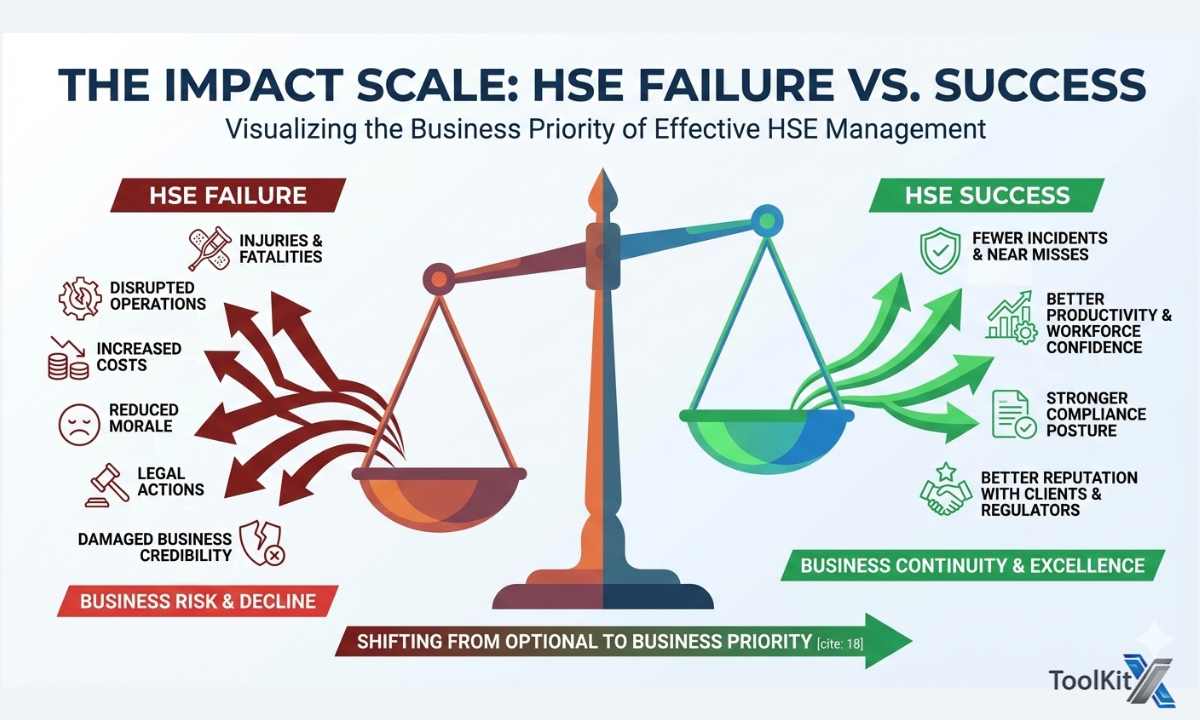
Getting HSE right leads to some key benefits:
- Fewer accidents and near misses
- Better productivity and workforce morale
- Stronger compliance records
- Better reputation with clients and regulators
All of which is why addressing Common HSE Problems Companies Face is no longer a nice to have, it's a business priority.
The Most Common HSE Challenges Companies Face
1 Weak Safety Culture & Workforce Awareness
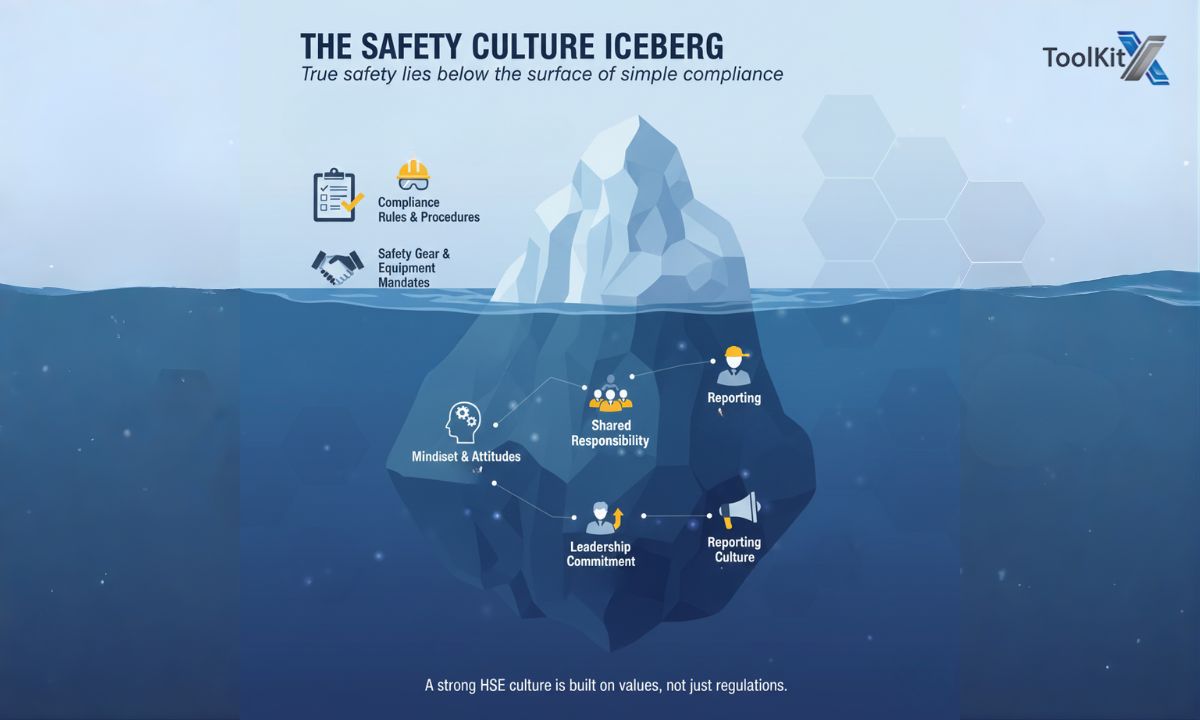
One of the biggest occupational health and safety challenges is getting people to take safety seriously. Many employees see safety as a duty rather than a shared responsibility, and line managers often prioritise deadlines over safety.
Practical Approach
Businesses should build strong leadership commitment to safety, run continuous awareness programs, and promote a culture where employees feel safe to report incidents and near misses. Recognising and rewarding safe behaviour helps to build a strong safety culture and strengthen accountability.
2 Ineffective Risk Identification & Hazard Control
Many companies rely on outdated or manual systems to identify and control risks, which leads to missed hazards and low visibility.
Best Practice
Businesses should implement a structured, regularly reviewed risk assessment framework with real-time visibility and strengthened controls, accountability and continuous monitoring to stay ahead of the game and prevent accidents.
3 Compliance & Regulatory Management
For many organisations, Safety Compliance Challenges come down to the fact that regulations are constantly changing across industries and regions, and manual compliance tracking is a recipe for disaster.
Solution Direction
A centralised compliance repository, automated regulation tracking and reminders for renewals can help keep organisations on top of compliance and strengthen governance.
4 Incident Reporting & Investigation Gaps
Another major HSE Management Challenge is underreporting or delayed reporting of incidents and near misses. Without timely reporting, organisations can't identify trends or implement preventative actions.
Improvement Framework
Businesses should provide simple, accessible digital reporting systems, ensure incidents follow a structured investigation workflow, apply root cause analysis and implement corrective actions to prevent recurrence.
5 Documentation & Data Fragmentation
Traditional spreadsheets, emails and paper files create major Workplace Health and Safety Challenges. Information remains scattered, inaccessible and untraceable during audits.
A Better Way
Businesses should shift to a centralised digital repository with role-based access, real-time tracking and version control to improve data integrity, speed up decision-making, simplify audits and solve major workplace health and safety challenges related to fragmented information.
The Role of Digital Platforms in Solving HSE Challenges
Modern organisations are moving from manual to digital HSE systems. Digitisation enables companies to proactively manage HSE Issues In Organisations, improve accountability, enhance visibility and drive continuous improvement.
A Robust Digital HSE Platform Helps With:
- Centralising data
- Simplifying compliance tracking
- Automating workflows
- Improving reporting accuracy
- Strengthening analytics and decision-making
Which is why many businesses are now relying on digital tools over traditional paper-based systems.
ToolKitX — Supporting Smarter HSE Management
Businesses need a platform that makes complex safety operations easier to manage. ToolKitX supports companies with structured HSE Management, digital workflows, centralised safety records, risk control visibility and compliance assurance - helping organisations move from reactive safety to proactive safety excellence.
Managing Health, Safety & Environmental Challenges is about more than just ticking regulatory boxes - it's about building safer workplaces, stronger cultures and more resilient operations. Businesses that successfully address Common HSE Problems Companies Face gain a competitive advantage, better compliance and more confident teams.
Organisations adopting digital platforms like ToolKitX get better visibility, compliance assurance and operational control.